10 Relaxation Travel Tips You Need to Know
A wellness holiday should leave you feeling restored, centred, and genuinely rested. Yet too many travellers arrive at beautiful retreat properties only to spend the first few days unwinding from the stress of getting there, and then face the final days anxious about returning to their normal routine. The difference between a good wellness trip and a truly transformative one often comes down to preparation and intention. These ten practical tips will help you maximise every moment of your next wellness getaway.
1. Pack Light
Nothing undermines relaxation quite like wrestling with an overstuffed suitcase through airports and hotel lobbies. When packing for a wellness retreat, resist the urge to bring options for every possible scenario. Most wellness hotels have a relaxed dress code, and you will likely spend much of your time in comfortable activewear, robes, and swimwear. Pack versatile, breathable fabrics in neutral colours that mix and match easily. A good rule of thumb is to lay out everything you think you need, then remove a third of it. You will not miss it, and the lightness of travelling with less sets a tone of simplicity that carries through your entire trip.
2. Disconnect Digitally
This is perhaps the single most impactful thing you can do for your wellness holiday, and also the most challenging. Set up an out-of-office reply before you leave, inform colleagues and family of your limited availability, and then put your phone on aeroplane mode or, better yet, leave it in the room safe. The constant checking of emails, news, and social media keeps your nervous system in a state of low-grade alertness that directly opposes the relaxation you are seeking. Most retreats have reception desks that can reach you in a genuine emergency. For everything else, it can wait. Read more about the benefits of digital disconnection in our guide to detox retreats.
3. Arrive Early
If at all possible, plan to arrive at your wellness destination at least half a day before your programme officially begins. Rushing from a long flight directly into a scheduled yoga class or spa treatment means your body is still in travel mode, and you will not get the full benefit. Arriving early gives you time to settle into your room, explore the property, familiarise yourself with the layout and schedule, and begin to decompress naturally before the structured activities start. Many wellness hotels offer early check-in for exactly this reason.
4. Book Treatments in Advance
Popular treatments at sought-after wellness properties can book up weeks or even months in advance, particularly during peak seasons. Once you have confirmed your stay, contact the hotel's spa reception to reserve the treatments you most want to experience. This is especially important for specialised therapies that require specific practitioners, such as Ayurvedic consultations, acupuncture, or craniosacral therapy. Having your treatment schedule confirmed before arrival eliminates the disappointment of finding that your preferred sessions are fully booked.
5. Try Local Wellness Traditions
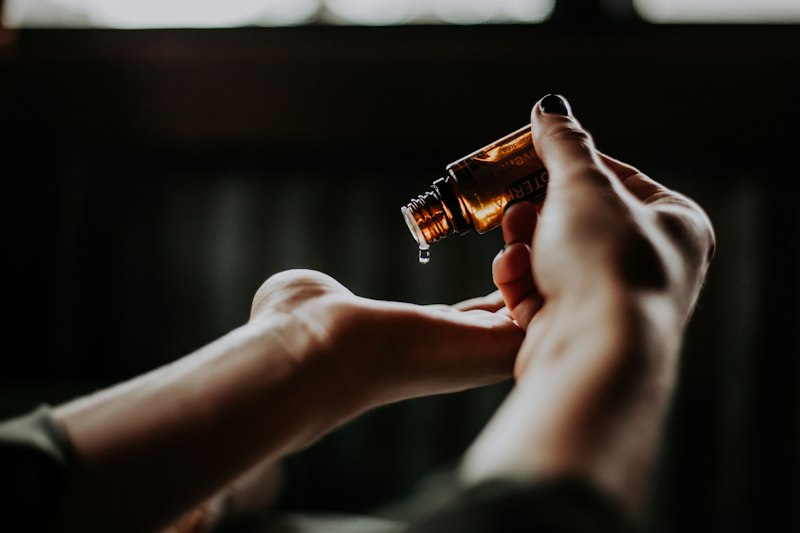
Every destination has its own healing traditions, and a wellness holiday is the perfect opportunity to explore them. If you are visiting the Alps, try a traditional hay bath or Kneipp water therapy. In Southeast Asia, experience an authentic Thai massage or Balinese healing ritual. In Scandinavia, embrace the sauna culture. These local traditions often have centuries of wisdom behind them, and experiencing them in their place of origin gives them a depth and authenticity that cannot be replicated elsewhere. Be open to practices that may seem unfamiliar. Some of the most memorable wellness experiences come from stepping outside your comfort zone.
6. Eat Well and Mindfully
Wellness hotels put enormous care into their dining programmes, so take full advantage of this. Rather than treating meals as fuel to be consumed quickly between activities, approach each meal as an experience in itself. Eat slowly, chew thoroughly, savour the flavours, and pay attention to how different foods make you feel. If the property offers a nutrition consultation, take it. You may discover that certain foods you eat habitually are contributing to inflammation, poor sleep, or low energy. Use the retreat as an opportunity to experiment with cleaner eating patterns that you can continue at home.
7. Keep a Journal
The reflective environment of a wellness retreat often brings unexpected insights, emotions, and realisations to the surface. Without a journal, these valuable moments of clarity can fade quickly once you return to normal life. Bring a simple notebook and spend ten to fifteen minutes each evening recording your thoughts, feelings, observations, and any intentions that arise during your stay. You do not need to write eloquently. Simple notes and bullet points are sufficient. Months later, reading back through your retreat journal can reconnect you to the peace and perspective you found during your time away.
8. Move Your Body
While a wellness retreat is certainly a time for rest, it is important to maintain gentle physical activity throughout your stay. Movement helps your body process spa treatments more effectively, improves circulation and lymphatic drainage, enhances sleep quality, and elevates mood. This does not mean you need to run a marathon. A morning stretch, a gentle walk through the hotel grounds, a swim, or a yoga session is more than sufficient. Listen to your body and choose movement that feels nourishing rather than depleting. Many retreats offer a range of activity levels so you can calibrate the intensity to how you feel on any given day.
9. Prioritise Sleep
Sleep is the foundation upon which all other wellness benefits are built, yet it is often undervalued on holidays. Resist the temptation to stay up late socialising or reading when your body is telling you it is time to rest. Take advantage of the quiet, comfortable sleep environment that a good wellness hotel provides. Keep your room cool and dark, avoid screens for at least an hour before bed, and consider requesting a sleep-promoting herbal tea or pillow spray from the spa. If the hotel offers sleep-focused treatments such as sleep massage or guided relaxation sessions, prioritise these. Many guests report that the quality of sleep they experience on a wellness retreat is among the best of their lives.
10. Extend the Benefits at Home
The true measure of a wellness retreat is not how you feel on the last day but how you feel three months later. Before you leave the property, take time to identify two or three specific habits, practices, or changes that you want to carry forward into your daily life. Perhaps it is a morning meditation practice, a healthier breakfast routine, a weekly digital detox evening, or a commitment to regular massage. Keep these intentions realistic and specific. It is far better to maintain one small positive change permanently than to attempt a complete lifestyle overhaul that collapses within a week of returning home.
Talk to the hotel's wellness team before you depart. Many properties offer follow-up consultations, personalised home practice plans, or recommended products to help you maintain the benefits of your stay. Some even offer alumni programmes or online communities where past guests can stay connected and support each other's ongoing wellness journeys.
With thoughtful preparation and the right mindset, a wellness holiday can be far more than a pleasant break from routine. It can be the beginning of a genuinely healthier, more balanced way of living. Start planning your next retreat by exploring our collection of wellness hotels, or dive deeper into specific types of wellness travel with our guides on budget vs luxury wellness and Alpine wellness experiences.